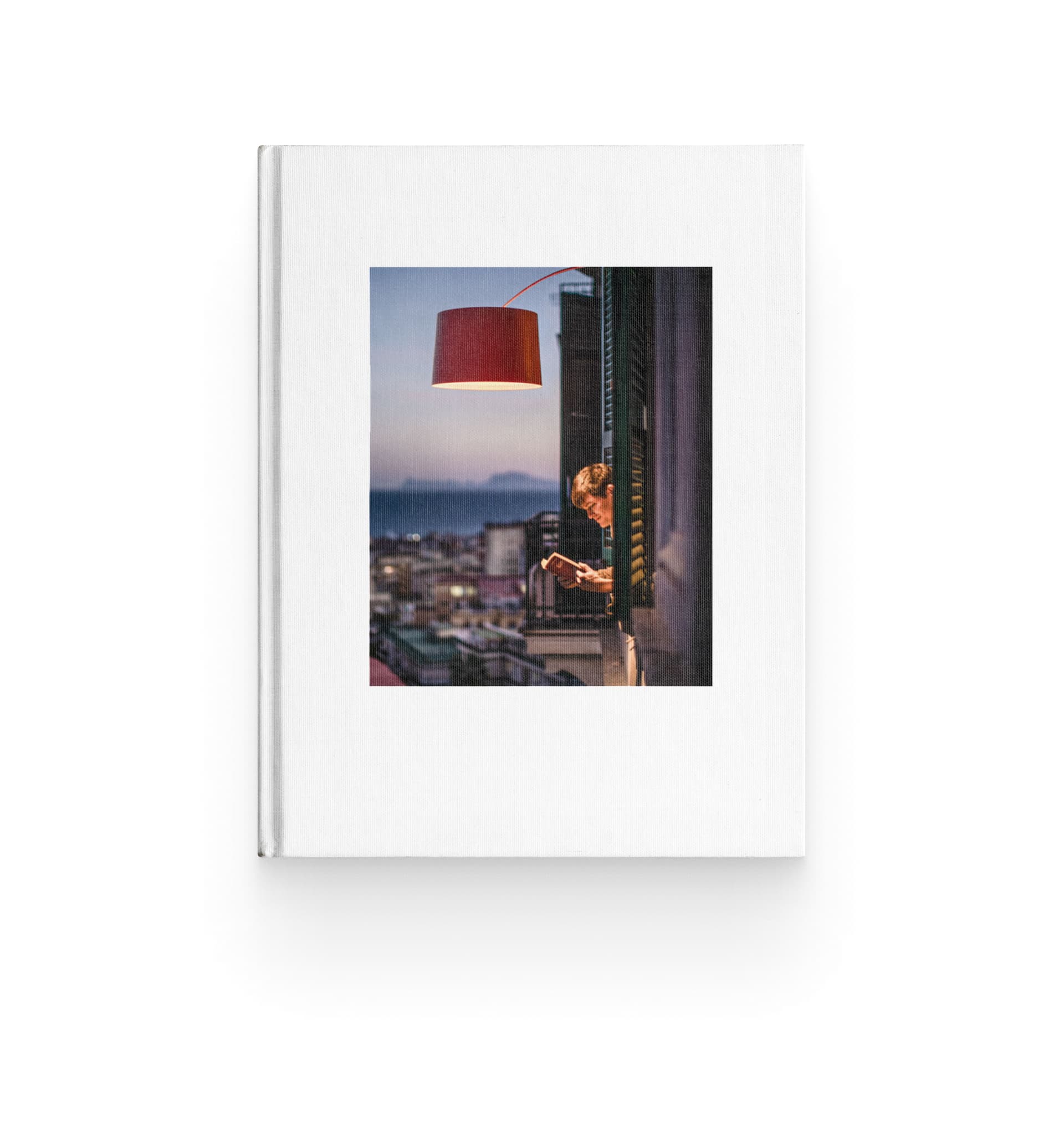
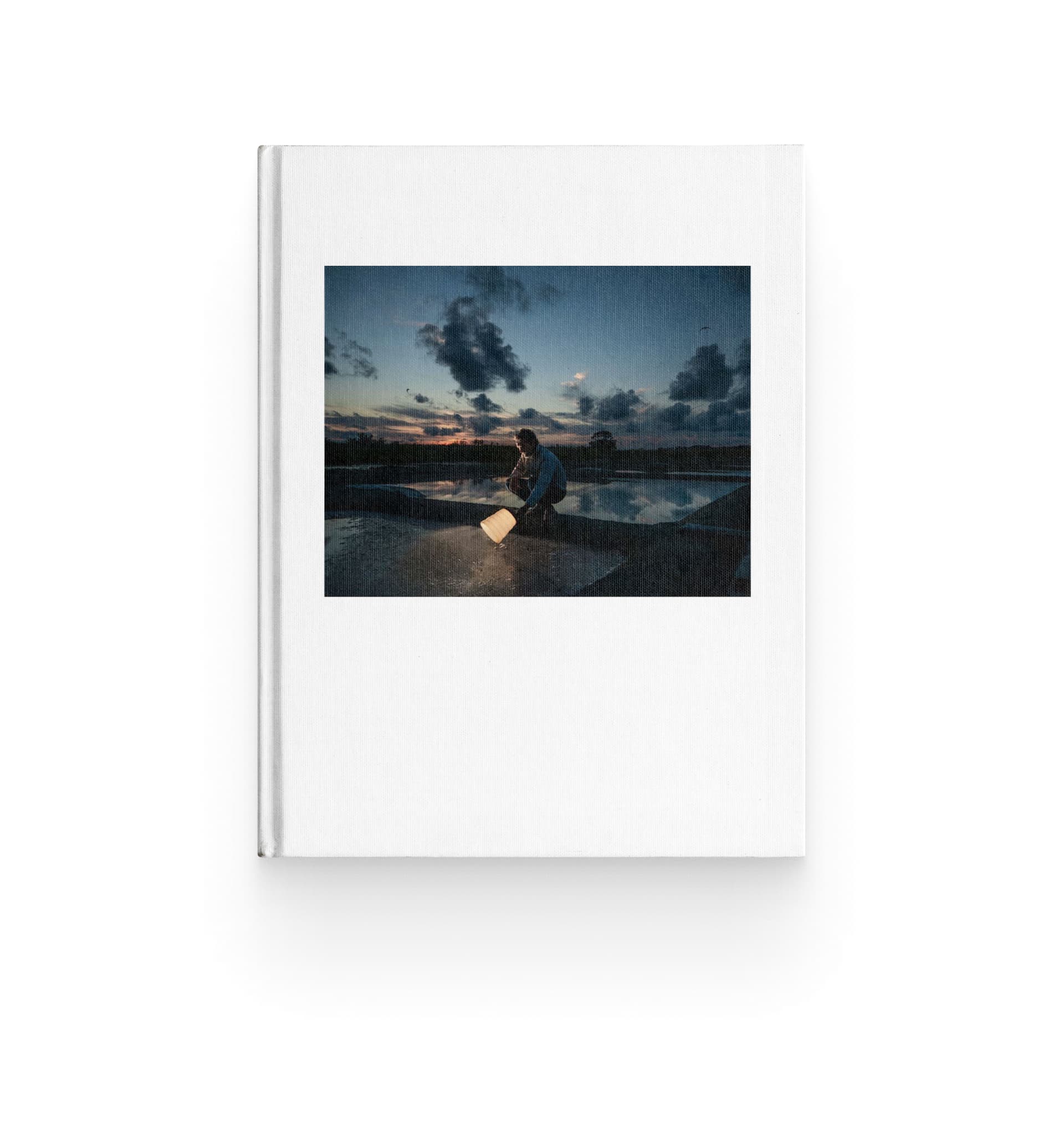
The Dance of Light: David Szauder for What’s in a Lamp?

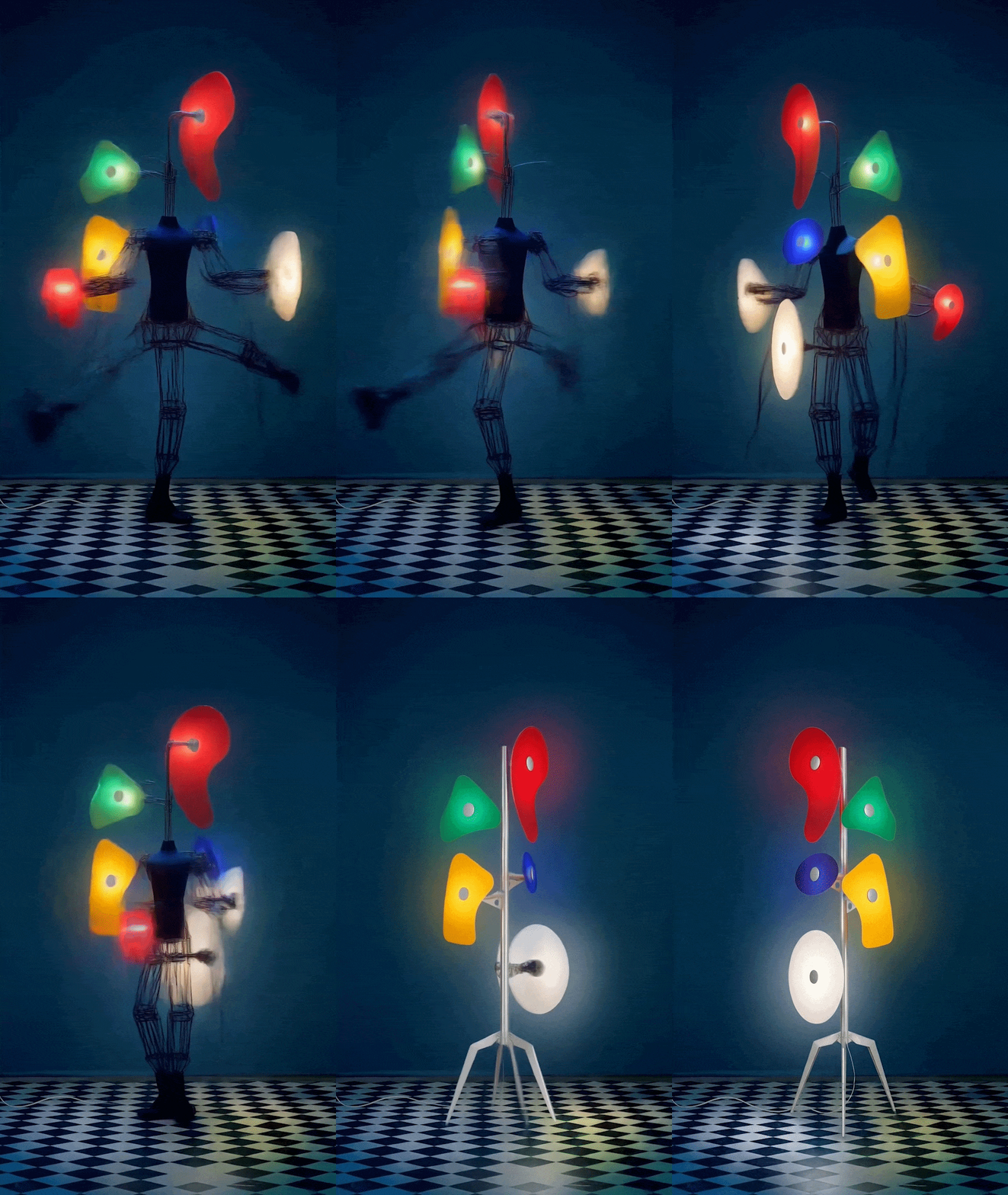
In the hands of multimedia artist David Szauder, Foscarini’s lamps awaken, dance, and transport us elsewhere. In a Ballet Mécanique that is at once classic and radically contemporary.
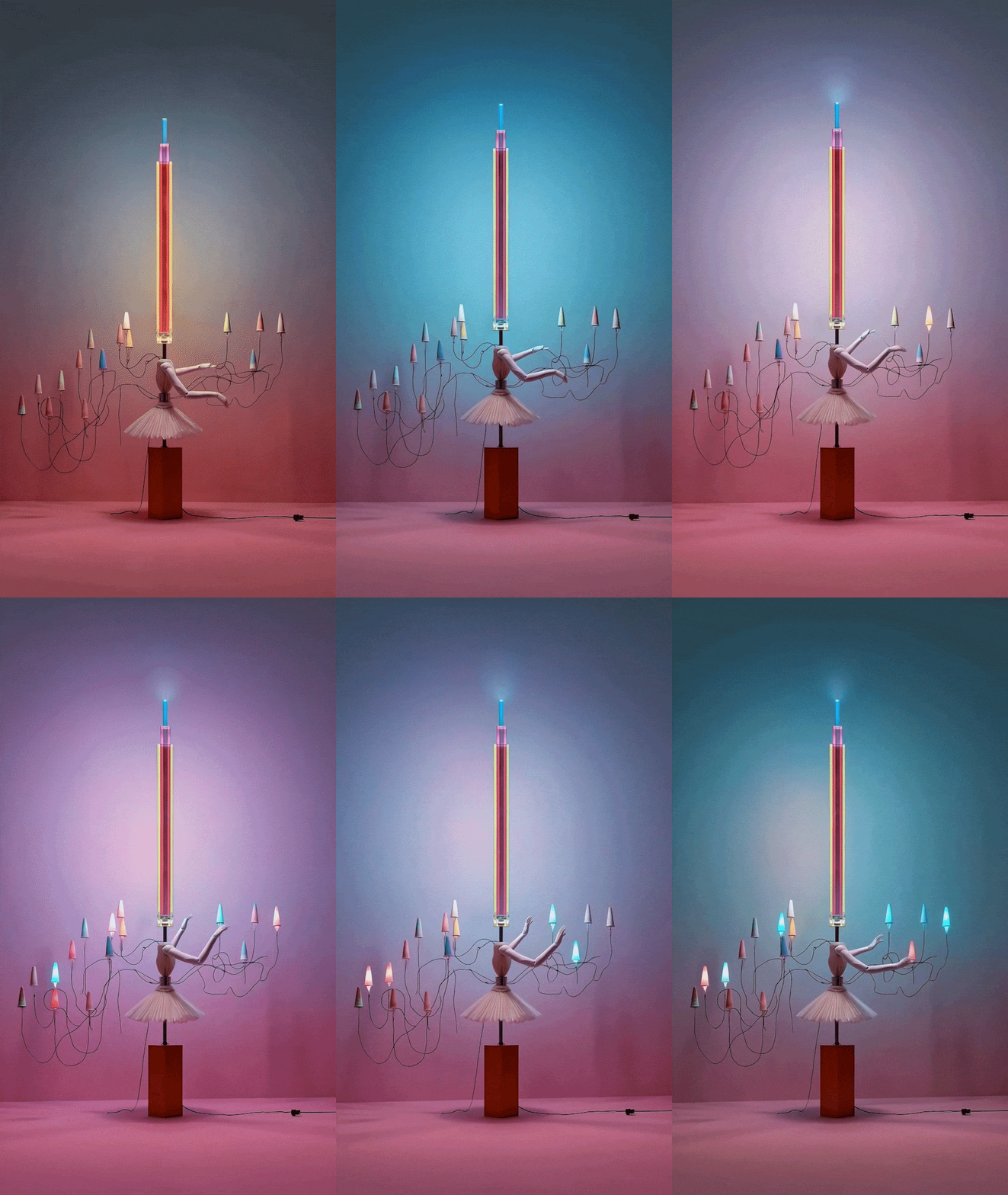
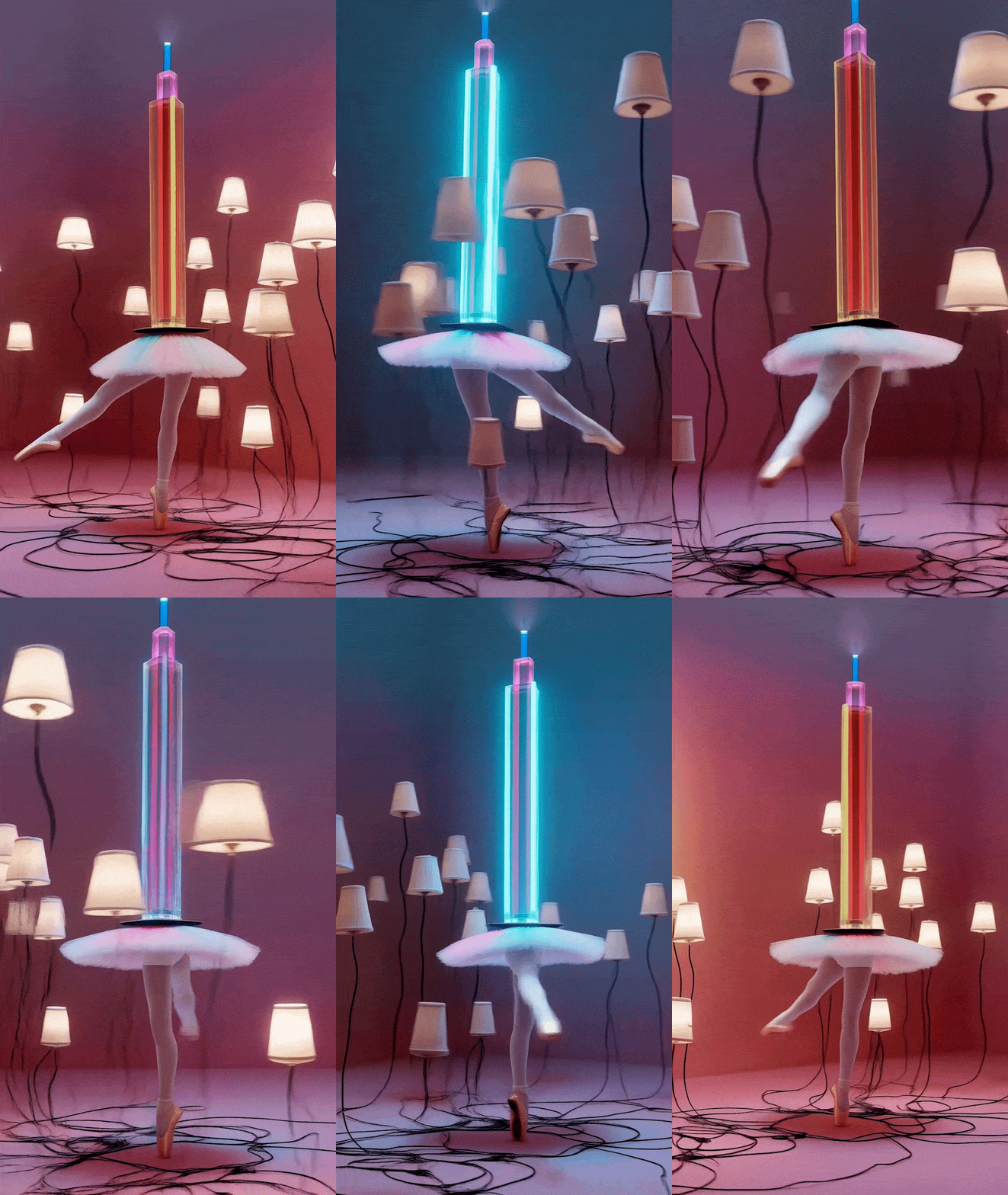
Transforming Foscarini lamps into objects capable of igniting the imagination. Using the power of light—which alters materials, spaces, and perceptions—to bring objects and their surroundings to life. Telling the poetic story of the relationship that can bloom between us and objects when we let ourselves go.
This is the origin of David Szauder’s project for What’s in a Lamp?: a multimedia artist, Szauder is a pioneer in using artificial intelligence to create choreography, visual artwork, animations, and imagery that explore the relationship between people, technology, and art history.
Working with Foscarini lamps, Szauder created a Ballet Mécanique inspired by Fernand Léger’s famous work of the same name. In it, the lamps come alive, dance, and evolve, mesmerizing viewers with beauty and sparking their imagination.
His process begins by collecting and creating visual material, which he then assembles while providing precise inputs to generative AI. Rather than steering outcomes through prompts, he uses what he calls “visual tricks”—bypassing the machine’s default logic by layering images, thereby guiding the results toward what he finds most emotionally resonant or visually captivating.
How has the profession of a multimedia artist changed since you first started out?
When I started, multimedia art was a relatively niche field, and access to technology was limited. Today, almost everyone has powerful creative tools at their fingertips. The challenge is no longer accessing technology, but developing a distinctive visual language and a meaningful artistic voice.
What is the best and worst aspect of your profession today?
The best part is the freedom to navigate between different mediums—exhibitions, public projections, theater, music, fashion. The worst part is the sheer speed at which images are produced and consumed. It has become increasingly difficult to create something that actually makes people stop and pause.
You worked on the premiere of Wunderland at the Hamburg Ballet. What does this experience reveal about multimedia art, and about your work in particular?
It shows that multimedia art no longer needs to be confined to a screen. In Wunderland, my visual world took on a physical form through the costumes. For me, this was a significant expansion of my practice: the images were no longer merely observed, but lived in and performed.
You work with artificial intelligence, but you also try to clarify its role for the public. What is the main message of your book Glitches & Glory?
The book explores the interplay between human imagination, memory, and technology. Artificial intelligence is present, but it is not the author of the work. The central message is that while tools change, artistic responsibility, intent, and authorship remain inherently human.
What kind of cultural and public awareness would be needed to ensure the ethical use of AI in the arts?
We need greater transparency and a deeper understanding of how these systems operate. People should know where the data comes from, how images are generated, and what role the artist plays. Education shouldn’t just focus on how to use technology, but also on authorship, ethics, and critical thinking.
How do you create your dreamlike atmospheres?
They usually stem from something familiar—an old photograph, a face, an object, a personal memory. Then I introduce elements that don’t quite add up. The atmosphere emerges from the tension between recognition and uncertainty—from the feeling of knowing the world you’re looking at, while knowing that something within it is off.
How do you use your Instagram account?
I use it as an evolving visual diary and as a direct communication channel with an international audience. It allows me to test ideas, gauge responses, and share work outside traditional institutional frameworks. At the same time, I try not to let the platform’s algorithm dictate the direction of my practice.
Discover the collaboration with David Szauder and the full series on the Instagram channel @foscarinilamps, and explore all interpretations of the What’s in a Lamp? project, where international artists are invited to freely interpret light and Foscarini collections.

In the small, theatrical stage sets of Spanish illustrator and Wes Anderson collaborator Javi Aznarez, a story rich in detail, humanity, and subtle, biting irony comes to life around every Foscarini lamp.

Under the light of Foscarini lamps, stories are born. These are the moments when light stops being decor and becomes Home.

For What’s in a Lamp?, Frelly builds a series of images in which each Foscarini lamp becomes a hat to be worn, turning design objects into living presences that reshape the space around the people who wear them.

Silent images, domestic settings, a light that sparks unexpected possibilities. For What’s in a Lamp?, Marianna Tomaselli creates a series of illustrations in which Foscarini lamps become the starting point of a visual narrative, where light generates relationships, atmospheres, and subtle shifts in meaning.

Illustratore, animatore e storyteller Brian Rea entra nell’universo di What’s in a lamp? trasformando le lampade Foscarini in presenze vive, intime e silenziose. Un progetto dove luce e personaggi dialogano con delicatezza, sorpresa e immaginazione.

A project by Massimo Gardone for Foscarini investigates the potential of artificial intelligence as a tool of expression, but always guided by a sensitive, conscious human touch. A story in which technology is a means of amplifying the human gaze, where settings generated by AI contain lamps photographed in their physical presence.

For What’s in a Lamp?, Spanish illustrator and art director Jorge Arévalo portrays Foscarini’s lamps and designers with his unmistakable style: essential lines, bold colours, and graphic elegance. A suspended dialogue between the object of design and the mind that imagines it.
For the What’s in a Lamp? project, Italian artist Beppe Conti imagines lamps not simply as sources of light, but as instruments that reveal the invisible. In his digital collages, fragments and hidden layers emerge from the darkness, shaped by the light of Foscarini lamps into dreamlike spaces.

With his unmistakable style defined by essential shapes and bold colors Peter Grundy transforms Foscarini lamps into visual archetypes of the concepts and values that define the brand’s identity for the editorial project What’s in a Lamp?. An exercise in synthesis and vision that invites us to see light not only as a source but as meaning itself.

Helen Musselwhite’s artistic universe is made of paper cutouts, folds, and shadows that narrate the wonder of the natural world. For What’s in a Lamp?, the artist reinterprets some of Foscarini’s lamps, transforming them into dreamlike paper landscapes.