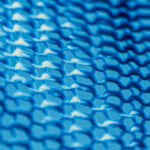
INTRECCI DI LUCE / KNITTED LIGHT
An exploration across materials, processes and production techniques to unlock new possibilities in lighting.
-
SHOWROOM FOSCARINI SPAZIO MONFORTE
Corso Monforte 19, Milano
21st–26th April 2026
H. 10am–8pm
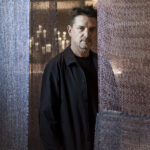
Foscarini Spazio Monforte hosts INTRECCI DI LUCE/KNITTED LIGHT, an experimental research project entrusted to two designers with distinct sensibilities: Jozeph Forakis and Lorenzo Palmeri.
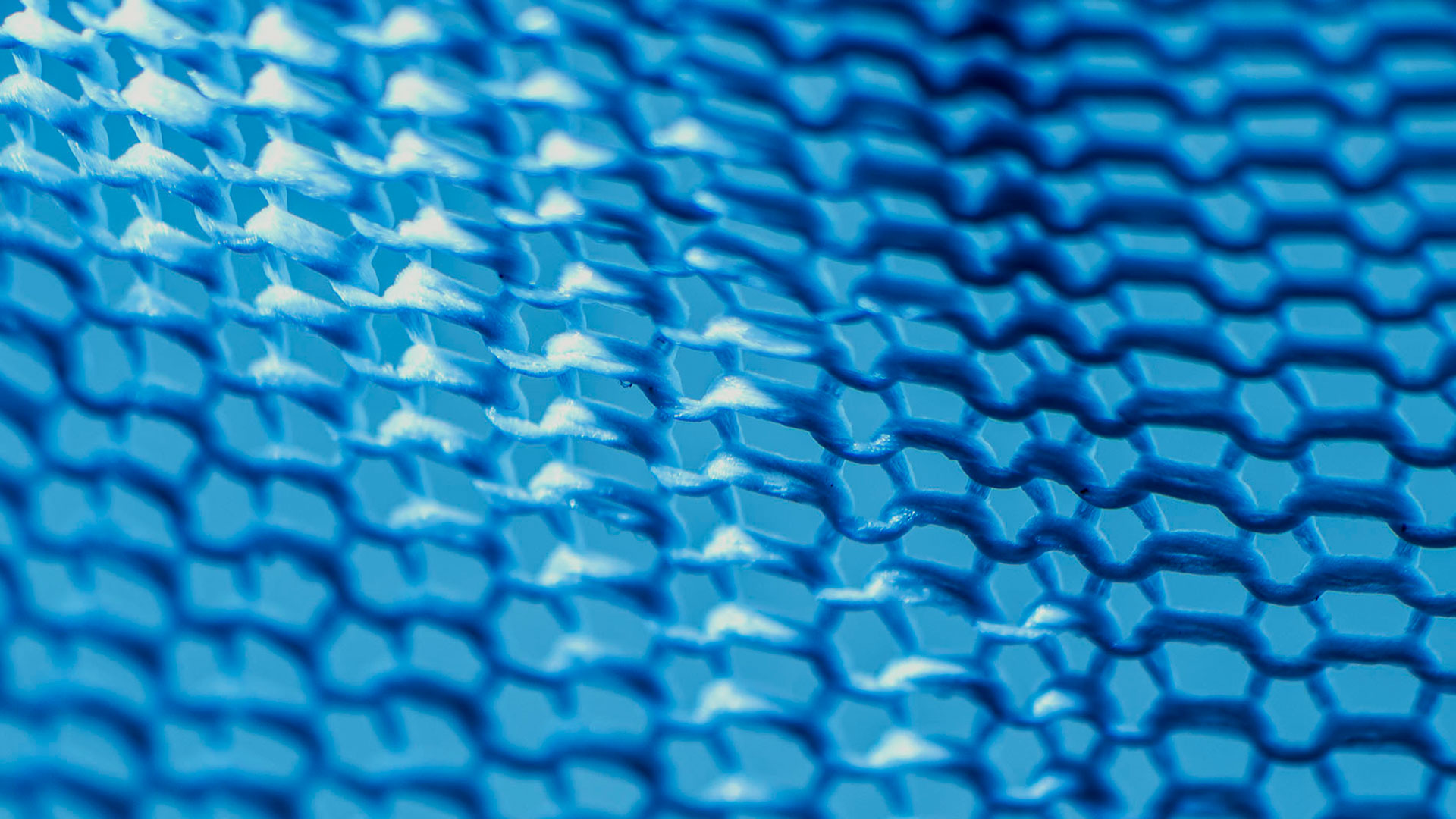
Working independently, both have navigated the vast territory of 3D knitting to explore its surprising expressive potential when brought into dialogue with light – opening up unprecedented volumes, unexpected surfaces and evocative lighting effects.
For Foscarini, Fuorisalone 2026 is an opportunity for pure research – free from the logic of the finished product and open to the unexpected. The works on display do not yet have a final destination. Because it is within the freedom of searching – without the immediate need to find something “useful” – that the boundaries of the possible expand, giving rise to ideas capable of changing the way we light our world.
JOZEPH FORAKIS
When a thread becomes volume
Forakis has always been a restless researcher, seeking what he calls the “alchemy of materials”: the moment an archetype is transformed by a process for which it was never intended. History teaches us that the most significant breakthroughs in design occur when technologies or materials are recontextualised and transferred from one industrial sector to another, revealing their hidden expressive potential. This approach led to his first collaboration with Foscarini, the Havana lamp. It is this same spirit that led Forakis to develop a particular interest in the world of textiles – pushing suppliers and technicians beyond what their looms (and their patience) could endure. It is precisely in the gaps between one limit and the next that the most interesting discoveries emerged.
In this research conducted with Foscarini and TexTech, Forakis presents an open chapter rather than a finished product: sculptural forms and textures that serve as an experimental field for the interplay of light and shadow.
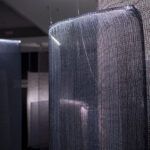
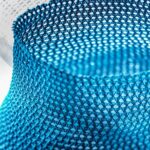
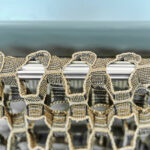
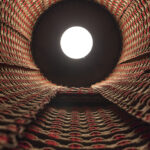
When light meets these 3D knitted structures, something unexpected happens. It is no longer a simple surface: the light is filtered, diffused, and “sculpted” by the density of the weave. The object becomes a breathing volume, capable of defining its surroundings.
It is a process that proves even the most ancient techniques – the elementary gesture of weaving a thread – are still capable of surprising us, if only we have the patience to listen to what the material is trying to say.


LORENZO PALMERI
Where fabric becomes architecture
Lorenzo Palmeri’s research moves between architecture, fashion, and design, taking shape through a multi-faceted design approach in collaboration with the MAS knitting mill and Arman Avetikyan. This exploration starts from the ability of two-dimensional textile surfaces to become three-dimensional through classic tailoring solutions and clever incisions reminiscent of kirigami, the Japanese art of cutting and folding paper to obtain 3D shapes from a single sheet.
This approach does not invent a new technique but shifts it – with care and intention – from one world to another.
At the heart of his work is a simple yet powerful intuition: when light passes through a three-dimensional fabric, something special happens. It diffuses, vibrates, thickens in certain spots and dissolves in others. The weave becomes a microscopic landscape that modulates light naturally, generating micro-architectures capable of shaping space without enclosing it.
Foscarini’s goal at this Fuorisalone is not to arrive at an industrialised product. It is about pure research: a way to broaden the scope of the possible and to identify new expressive possibilities that can respond to tomorrow’s challenges, building a new vocabulary for the next new ways of creating light.
It is an approach rooted in design history, which does not claim to have invented technology but celebrates the value of its application in the world of design. It is the work required to transform an industrial process into an alphabet capable of constructing meaningful words and sentences – a task that Foscarini has always considered its own.
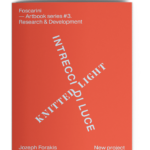
BOOKLET
An exploration across materials, processes and production techniques to unlock new possibilities in lighting.